 Available 24 Hours a Day, 7 Days A Week
  027 424 0600

Wheel Stops Christchurch

Available 24 Hours a Day, 7 Days A Week

100% Client Satisfaction

Full Range of Premier Services

High-Quality Products
Get A Free Quote

A stop that has worked loose and now slides when someone nudges it is the call we take most often. Group One New Zealand sets out and installs car park wheel stops across Christchurch from a base on Foremans Road in Islington, and Sydney Chappell started the New Zealand company in 2026. Most Christchurch car parks were laid out years ago, so the work here is usually replacement, repositioning and re-fixing rather than a first set-out on bare seal. Give us the address and a rough bay count and we will come and walk the site with you.
Car park wheel stops, not car wheels
Wheel stops go by several names. Car stops, parking blocks, parking bay stops. They are the low barriers fixed across the head of a parking bay so a vehicle pulls up before it reaches the kerb, the wall, the garden or the footpath behind it. They are not vehicle wheels, tyres, castors, rims or wheel alignment, and nothing on this page has anything to do with a tyre shop. If you want car park wheel stops for a site in Christchurch, supplied and fixed down where they need to sit, that is the work described here.
Call 027 424 0600 to Request a Free Quote
Industries We Serve
We proudly serve clients across a range of sectors, including:

Hospitals

Aviation Surfaces

Schools

Sporting Surfaces

Factory Safety Lines

Body Corporate
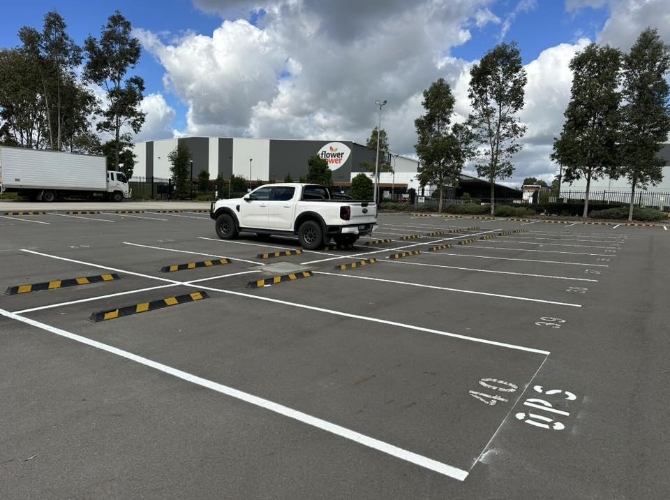
Replacing, moving or adding stops on a built car park
Buying a wheel stop is easy. Getting it onto the right part of your bay, at a depth that suits the vehicles that actually park there, and fixed into a surface that will hold it, is a different job and it happens on your site. That gap is most of what we do here.
Typical Christchurch jobs look like this:
- Replacing stops that have split, curled at the ends or lost their anchors
- Re-fixing stops that have shifted out of line with the bay markings
- Adding stops where vehicles are overhanging a footpath or hitting a building frontage
- Setting out stops on new bays at rebuilt central city apartment and townhouse parking, which is compact by design
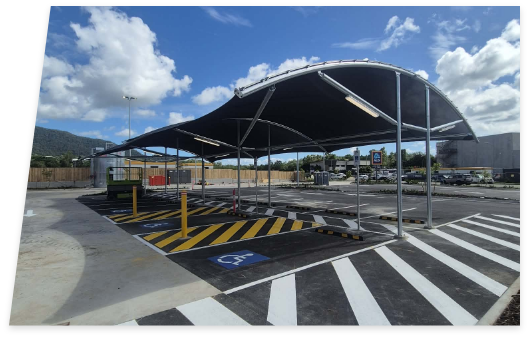
- Fitting stops to mobility bays as part of a wider car park tidy-up
We supply rubber, recycled plastic or precast concrete stops depending on what the site needs, and we install what we supply.
What your quote is built from
Pricing is on quote, and there is no useful number before someone has seen the car park. What we price against:
- How many bays need stops, and whether existing ones come out first
- The stop type and length that suits your bays and vehicles
- Surface type and condition, since worn asphalt takes fixings differently from sound concrete
- The fixing method the surface will actually hold
- Access, and when we can have the bays clear
Ring or email with the address and we will book a visit, measure it and put the quote in writing.

Where each stop sits, and what holds it down
Set-out comes first. A stop placed too far forward leaves the front of the vehicle hanging over a footpath or a planter. Too far back and drivers stop short, and the bay behind them loses depth. So we measure the bay, allow for the overhang of the vehicles that use it, and keep the stop clear of the surface falls and drainage channels so water still runs where it was designed to run. Mobility bays get set out first, because the transfer space beside and behind the vehicle has to stay clear and everything else works around it.
Then the fixing, which is the part that fails first. Concrete takes a mechanical anchor and holds it, provided the slab is sound where the hole lands. Asphalt is softer and moves with heat, so a spike or a longer anchor into a stable layer beneath is usually the answer, and the surface condition decides which. A stop that rocks under a tyre has almost always failed at the fixing, not in the stop itself, which is why we would rather see the surface before committing to a method.
Frosts, nor’westers and picking the install day
Christchurch records roughly 37 screen frosts and 90 ground frosts a year, chiefly between April and October, and a frozen or still-damp surface is no place to be drilling and setting anchors. Winter installs still go ahead. They move later into the day once the surface has come up, and we will tell you if a booked morning would give you a fixing you should not trust.
The nor’wester is the other one. It comes across the plains warm, dry and gusty and can push the city over 30°C, which matters most where an adhesive or a sealant is part of the fixing and skins before it has properly grabbed. It also shifts asphalt temperature enough to change how an anchor beds in. Hence a window rather than a fixed hour.
Need Professional Line Marking or Safety Products?
Contact Group One today – reliable, accredited, and available 24/7.

Client Testimonials


5.0 Stars / 21 + reviews
The team from Group One were exceptional.
They arrived on time, did a fantastic job and made our childcare centre carpark look like new . Thankyou
Prompt and efficient service.
Very professional and experienced. Syd always answers his phone otherwise calls you back. Highly recommended.
Highly recommended.
Competitive price, quality work and even helped me put up the customer parking signs. Went above and beyond. Thanks very much, Syd and Blake.
Great job and no complaints!
Wonderful to work with and helping us get our line marking completed. Would definitely use again and refer to others.
Highly Recommend Group 1 Linemarking!
We recently hired Group 1 Linemarking for a few of our residential strata projects, and the results exceeded our expectations. The team was punctual, professional, and clearly experienced. The line marking was crisp, precise, and done exactly to spec. Communication throughout the process was smooth, and they were flexible with scheduling, which made things a lot easier on our end. If you need reliable, high-quality line marking services, I wouldn’t hesitate to recommend Group 1. Great job!
Working with Syd and his team is always a pleasure
The quality of work is always to a high standard. The Group One team is always professional, they apply a high standard for safety ensuring their SWMS is tailored for the job and their equipment is serviced and well maintained. I highly recommend Group One and if you use them you won’t be disappointed.

Bay geometry, pedestrians and your duties as a workplace
Where a car park sits alongside a walkway, a loading area or a building entrance, the stops are part of how vehicles and people stay apart. That is a health and safety matter for the business that controls the site, and controlled parking geometry is one of the cheaper controls available to you.
Inside your own boundary the layout is yours to set. Where a car park meets the road corridor, a public footpath or a vehicle crossing, check the position with Christchurch City Council before anything is fixed down, and we will install to what they allow.
Group One New Zealand, and how close the base is
Islington sits inside the city we are talking about, so Christchurch work is the shortest run we make and a single loose stop is worth coming out for. Sydney Chappell founded Group One New Zealand in 2026, we are a small team, so you know you’ll get the very best, and we guarantee all the work we do. In the company’s own words: “Although Group 1 Line Marking has just started here in New Zealand, as a group we have been operating in Australia for almost 25 years.” The full range, including stop types and the other car park work we take on, sits on our page.
Call 027 424 0600 to Request a Free Quote


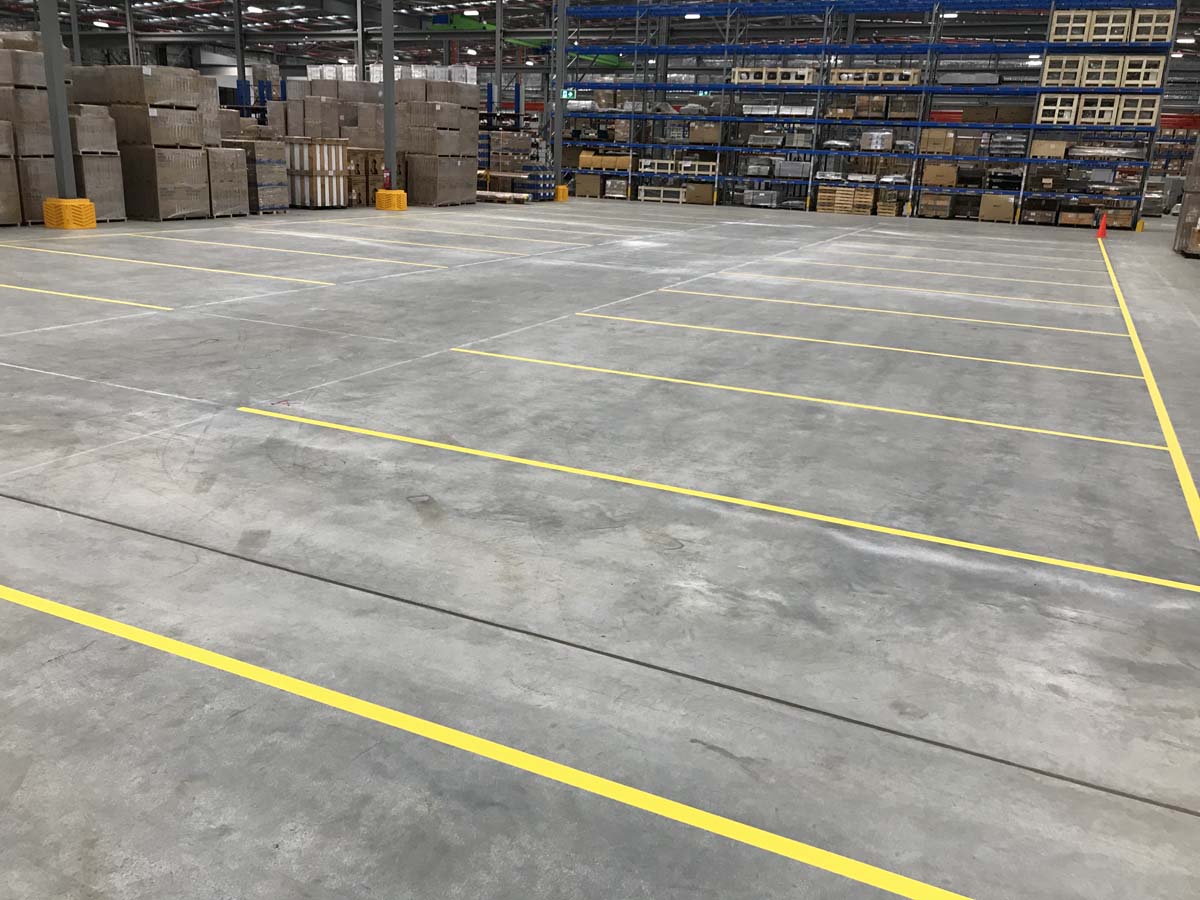

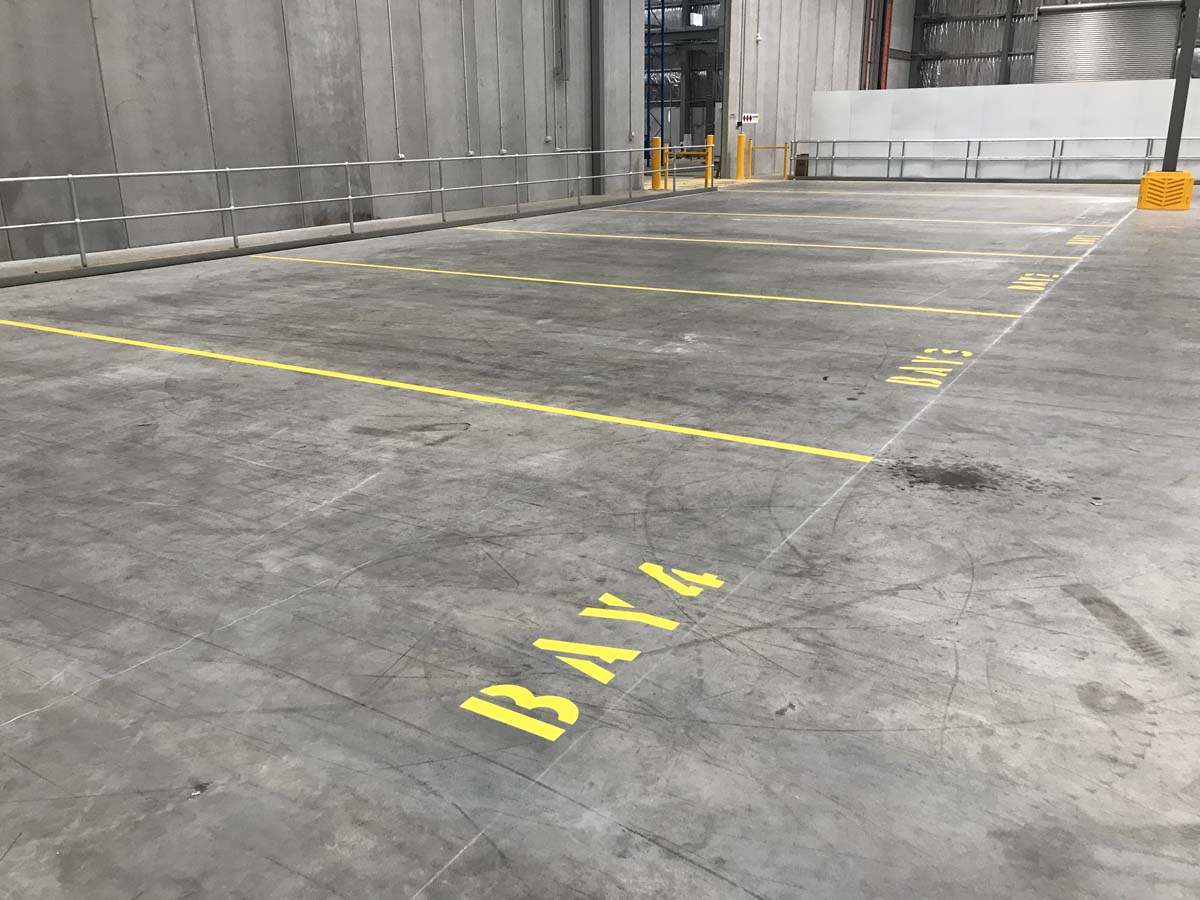


Get us on site
Canterbury added business locations faster than anywhere else in the country in the year to August 2025, and every new car park among them eventually needs its bays defined. Ours is a short drive across town.
Phone us on 027 424 0600 or email info@groupone.co.nz, 7am to 3pm Monday to Friday. Have the site address, the number of bays, the surface type, whether the car park is already marked out, and your access windows ready. Group One New Zealand, Unit 1, 37 Foremans Road, Islington, Christchurch 8042. NZBN 9429053752833.
Call 027 424 0600 to Request a Free Quote
Comprehensive Line Marking & Safety Services
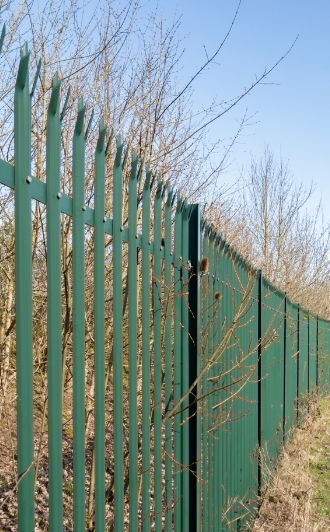
Safety and Palisade Fencing
Safety and palisade fencing is the steel perimeter that goes...
More Details
Areas We Serve
- Wheel Stops Amberley
- Wheel Stops Ashburton
- Wheel Stops Christchurch
- Wheel Stops Darfield
- Wheel Stops Kaiapoi
- Wheel Stops Methven
- Wheel Stops Rangiora
- Wheel Stops Rolleston
- Wheel Stops Timaru
Other Services Available in Christchurch
- Automatic Gates Christchurch
- Bollards Christchurch
- Commercial Gates Christchurch
- Convex Safety Mirrors Christchurch
- Custom Gates Christchurch
- Driveway Gates Christchurch
- Gate Access Systems Christchurch
- Industrial Gates Christchurch
- Line Marking Christchurch
- Safety and Palisade Fencing Christchurch
- Security Gates Christchurch
- Speed Humps Christchurch
Questions Christchurch sites ask us
Can I just buy stops and fix them down myself?
You can buy them anywhere. The part that goes wrong is placement and fixing: a stop bolted into a thin or crumbling patch of asphalt lasts one winter, and a stop set out of position quietly costs you bay depth for the life of the car park.
Is there a set placement rule for wheel stops in New Zealand?
Placement follows the bay, the vehicles using it and what sits behind the stop, so it is measured rather than looked up. Accessible bays are the ones worth getting a second opinion on, and we set those out first.
Our existing stops keep coming loose. Do you re-fix or replace?
Both, and the site visit decides which. If the stop is sound and the surface around the anchor has broken up, it is often a re-fix into fresh material. If the ends have split, it is a replacement.
What does a car park's worth of stops cost?
It is quoted per site. Bay count, stop type, surface and access all move it, which is why the visit comes before the number.
Get Started with Professional Line Marking Solutions

Get a Free Consultation
Speak with our experts to discuss your line marking requirements and get a tailored solution.
Schedule Now
Need Help Choosing?
Our team provides advice on the right line marking services and materials for your site.
Find Your Solution
Talk to an Expert
Have questions or want a quote? Connect with our experienced team today.
Contact Us