 Available 24 Hours a Day, 7 Days A Week
  027 424 0600
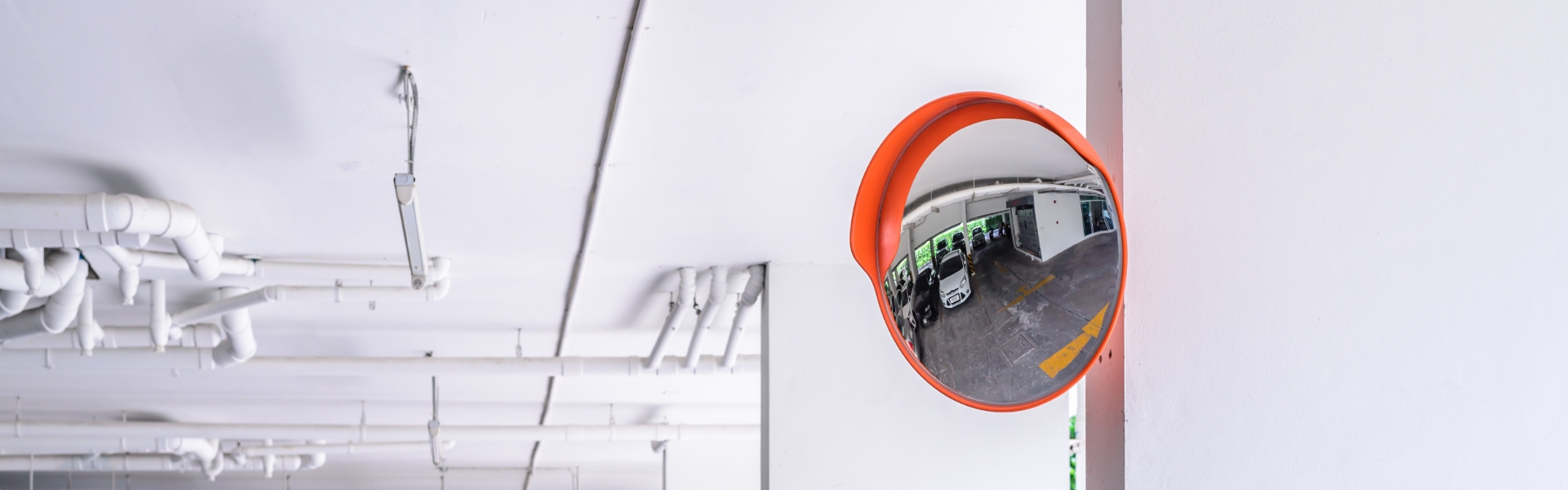
Convex Safety Mirrors Christchurch

Available 24 Hours a Day, 7 Days A Week

100% Client Satisfaction

Full Range of Premier Services

High-Quality Products
Get A Free Quote
Reversing a truck out of a loading bay while people walk the footpath past the door is usually a one-mirror problem, once someone works out which corner the mirror belongs on. Group One New Zealand supplies and installs convex safety mirrors across Christchurch from a base on Foremans Road in Islington. Sydney Chappell founded the New Zealand company in 2026. Tell us where the blind spot is and we will come and stand in it.
Which blind spot are you trying to fix?
Most jobs come down to one of these:
- A vehicle exit onto the street where a fence, a wall or a parked line of cars hides the footpath until the bonnet is across it
- A loading bay or roller door where trucks reverse over a shared access lane
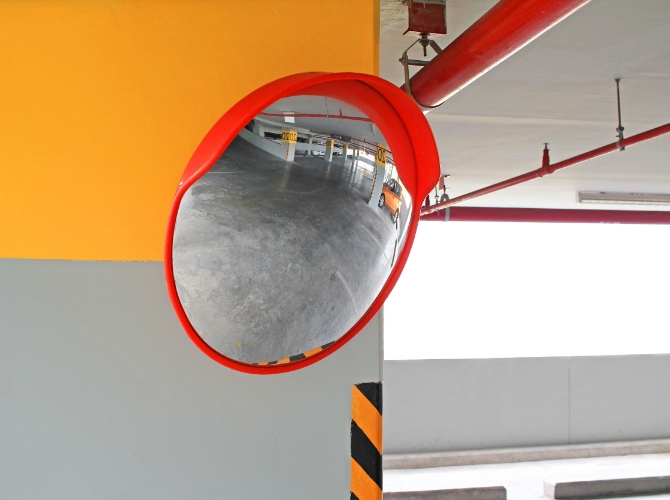
- A ramp turn between levels of a parking building, or the swing out of a basement car park
- A blind car park corner where two vehicles meet with no warning
- An internal aisle intersection where forklifts and people cross
- A shared driveway serving several tenancies
The rebuilt central city gives the first one a particular shape. Much of the new stock is apartments and townhouses rather than standalone homes, and their vehicle exits meet the footpath directly, with no run-off between a car nosing out and someone walking past.
Call 027 424 0600 to Request a Free Quote
Industries We Serve
We proudly serve clients across a range of sectors, including:

Hospitals

Aviation Surfaces

Schools

Sporting Surfaces

Factory Safety Lines

Body Corporate
What happens when the crew comes out
We travel to you. On site we look at the problem from where the driver actually sits, then fix the mirror to something already standing (a wall, a column, a fence post, an existing pole) or dig and set a new post where nothing suitable exists. The last step decides whether it works: sighting the mirror in, setting the tilt, and checking the view again from the driver’s seat before we leave. On a basement ramp or a yard exit behind , that check is made from where the vehicle waits, since that is the only position the view has to work from. The same crews carry on out to Amberley in the north, Timaru in the south, and west towards the Canterbury foothills.
Getting the diameter, the height and the angle right
Viewing distance drives the diameter: the further back the driver sits, the larger the face has to be before an approaching vehicle is big enough to read. Undersize it and the blind spot stays exactly where it was, which is worse than nothing because everyone now assumes it is covered.
Mounting height decides what you see. Too low and a parked van blocks it. Too high and it shows you roofline.
Sun orientation decides whether you want a hood, because a face pointed into a low morning or evening sun washes out at the hour the car park empties. Tilt is set on site with someone sitting in a vehicle, never at a bench.
A mirror in a box, and a mirror that works
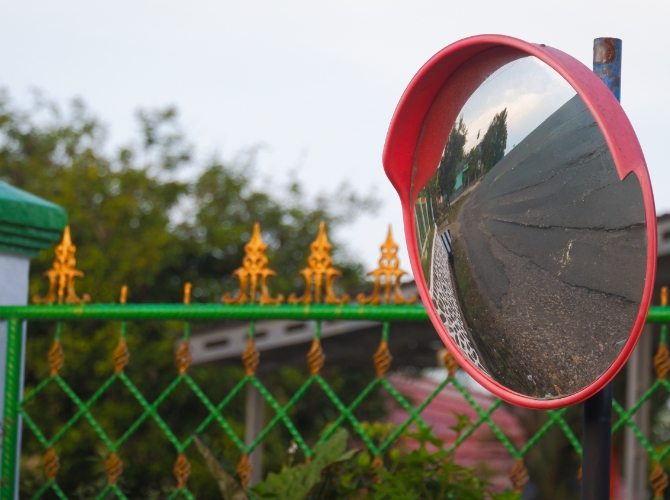
You can have a convex mirror couriered to the door tomorrow, and plenty of people do. That part is easy. The harder part is deciding which corner it belongs on, how far back from the exit, at what height, facing which way, and what it can legally be fixed to. Get any of those wrong and the mirror is on the wall, the blind spot is still live, and nobody is watching for it any more. The siting, the mount and the aim are the work. The mirror is the hardware.
Faces, formats and fixings
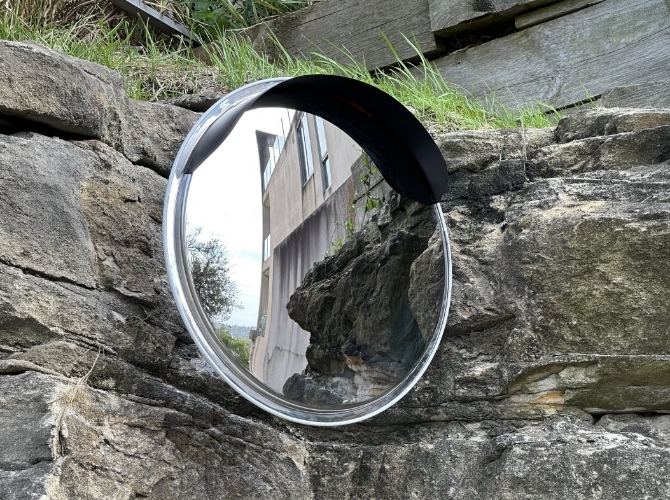
Acrylic gives the sharpest image and suits indoor and sheltered positions. Polycarbonate takes an impact without shattering, which is what you want at forklift height. Stainless steel will not break at all, so it goes where knocks or interference are likely, at some cost to image clarity.
Format follows the geometry: hooded for outdoor exits with rain, frost and glare in play, a half dome for a T-junction in an aisle, a full dome for a four-way crossing. Mounts go onto walls, columns, existing posts and poles, or a new post we set, with corrosion protected brackets and aluminium or stainless fixings outdoors.
Need Professional Line Marking or Safety Products?
Contact Group One today – reliable, accredited, and available 24/7.

Client Testimonials


5.0 Stars / 21 + reviews
The team from Group One were exceptional.
They arrived on time, did a fantastic job and made our childcare centre carpark look like new . Thankyou
Prompt and efficient service.
Very professional and experienced. Syd always answers his phone otherwise calls you back. Highly recommended.
Highly recommended.
Competitive price, quality work and even helped me put up the customer parking signs. Went above and beyond. Thanks very much, Syd and Blake.
Great job and no complaints!
Wonderful to work with and helping us get our line marking completed. Would definitely use again and refer to others.
Highly Recommend Group 1 Linemarking!
We recently hired Group 1 Linemarking for a few of our residential strata projects, and the results exceeded our expectations. The team was punctual, professional, and clearly experienced. The line marking was crisp, precise, and done exactly to spec. Communication throughout the process was smooth, and they were flexible with scheduling, which made things a lot easier on our end. If you need reliable, high-quality line marking services, I wouldn’t hesitate to recommend Group 1. Great job!
Working with Syd and his team is always a pleasure
The quality of work is always to a high standard. The Group One team is always professional, they apply a high standard for safety ensuring their SWMS is tailored for the job and their equipment is serviced and well maintained. I highly recommend Group One and if you use them you won’t be disappointed.
Permission, consents and Christchurch City Council
A mirror is almost always mounted to something else, so the consent question follows the structure. Christchurch City Council requires a building consent for a fence or hoarding over 2.5 metres, measured vertically from the top of the fence to the ground directly below. In the Character Area Overlay, the Residential New Neighbourhood Zone and the medium and high density residential zones, lower or visually transparent fence designs are required unless resource consent is obtained. Fences inside a waterway setback must sit at least 3 m from the bank, or one-third of the District Plan setback, whichever is larger.
On your own building, inside your own boundary, this is usually straightforward. If the mount sits on a boundary structure, or the mirror needs to look into the road corridor, confirm the position with the council first.
What the quote depends on
Pricing is on quote, after a site visit. What moves it:
- How many mirrors the site genuinely needs, which is often fewer than expected
- Face diameter, which follows the viewing distance
- Whether there is something sound to mount to, or a post has to be dug and set
- Indoor or outdoor, the face material and the corrosion grade of the fixings
- Access, and whether the work fits around trading hours or truck movements
Contact us for bespoke pricing. Quotes are written, in New Zealand dollars, and come after someone has walked the site.
Call 027 424 0600 to Request a Free Quote




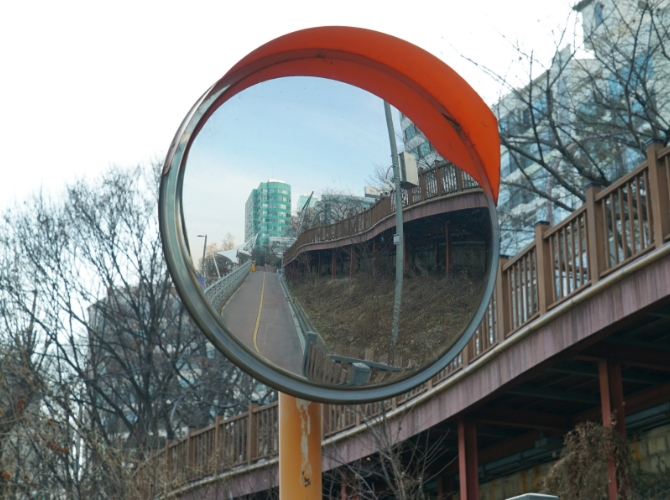
If it gets knocked, or the site changes
Mirrors get hit, and faces drift out of true after a run of nor’westers. Sites move on as well: a new building goes up, a stack shifts, the one-way flow through the car park is reversed, and the mirror that was right last year now shows you a wall. Either way, ring us and we come back, look again from the driver’s seat, and re-aim or relocate it. We guarantee all the work we do.
Group One New Zealand, based out at Islington
The base is at Islington, on the western side of the city, which makes a Christchurch job the shortest run we make. That is worth knowing when a basement bay or a ramp turn needs a second look before the tilt is settled. Sydney Chappell founded Group One New Zealand in 2026, and we are a small team, so you know you’ll get the very best. In the company’s own words: “Although Group 1 Line Marking has just started here in New Zealand, as a group we have been operating in Australia for almost 25 years.” Full details of the range sit on our page.
Call 027 424 0600 to Request a Free Quote
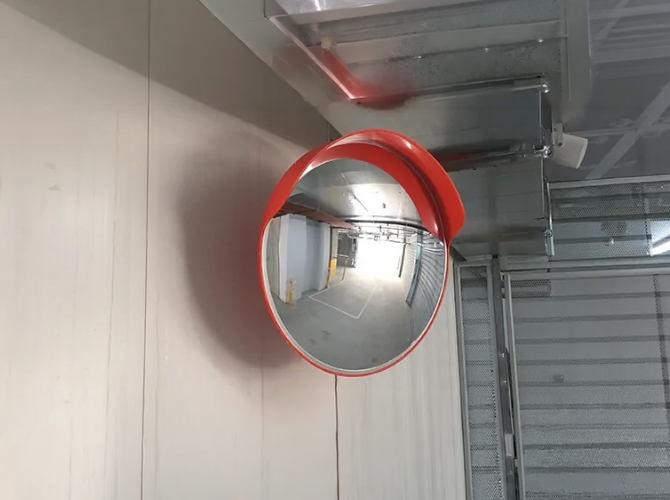
Get the blind spot looked at
An hour on site settles four things: which corner the mirror belongs on, how big the face has to be for the distance being viewed, what it can legally be fixed to, and whether one position covers both approaches or the site genuinely needs two. None of the four can be decided off a photo, which is why the written quote follows the visit rather than the phone call.
Phone 027 424 0600 or email info@groupone.co.nz, 7am to 3pm Monday to Friday. Group One New Zealand, Unit 1, 37 Foremans Road, Islington, Christchurch 8042. NZBN 9429053752833.
Call 027 424 0600 to Request a Free Quote
Comprehensive Line Marking & Safety Services
Safety and Palisade Fencing
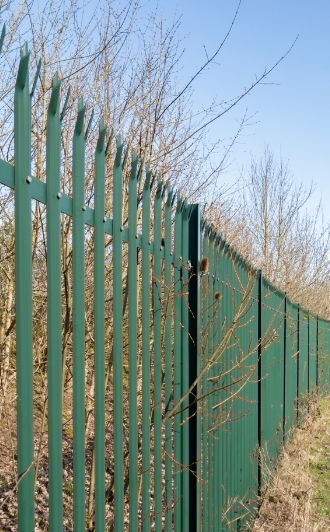
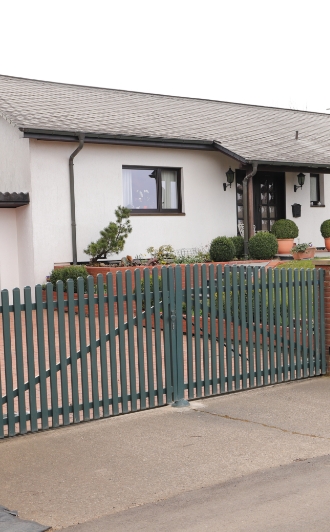
Safety and palisade fencing is the steel perimeter that goes...
More Details
Areas We Serve
- Convex Safety Mirrors Amberley
- Convex Safety Mirrors Ashburton
- Convex Safety Mirrors Christchurch
- Convex Safety Mirrors Darfield
- Convex Safety Mirrors Kaiapoi
- Convex Safety Mirrors Methven
- Convex Safety Mirrors Rangiora
- Convex Safety Mirrors Rolleston
- Convex Safety Mirrors Timaru
Other Services Available in Christchurch
- Automatic Gates Christchurch
- Bollards Christchurch
- Commercial Gates Christchurch
- Custom Gates Christchurch
- Driveway Gates Christchurch
- Gate Access Systems Christchurch
- Industrial Gates Christchurch
- Line Marking Christchurch
- Safety and Palisade Fencing Christchurch
- Security Gates Christchurch
- Speed Humps Christchurch
- Wheel Stops Christchurch
Three things people ask
Do you need permission to put up a convex mirror?
On your own building, inside your own boundary, usually not. It turns on what the mirror is fixed to: the Christchurch City Council rules that catch mirror mounts are the 2.5 metre threshold for fences and hoardings, the zone rules on fence design, and the waterway setbacks. Boundary structure, or a view into the road corridor, means a call to the council first.
What is the purpose of a convex safety mirror?
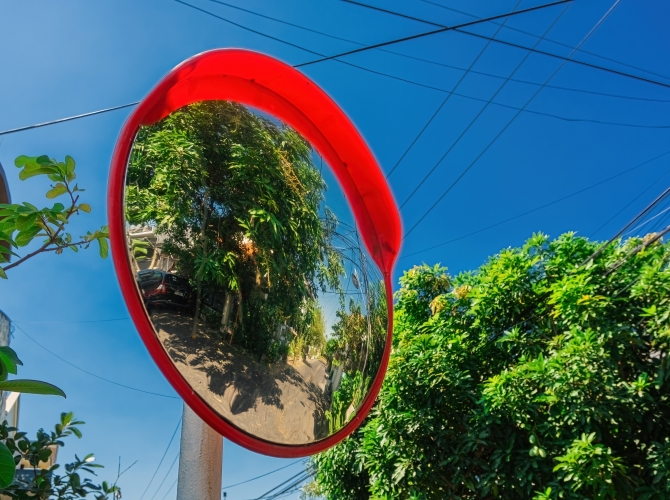
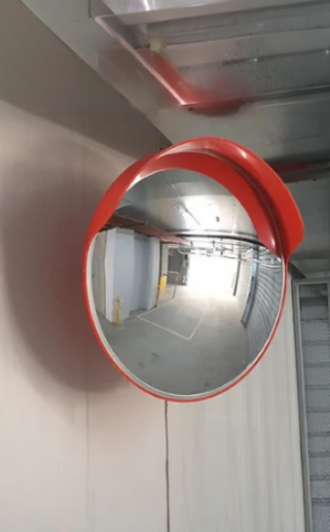
The curved face bends the reflection outward, so one mirror shows a far wider slice of the scene than a flat one of the same size. It gives a driver, a forklift operator or someone on foot sight of traffic they have no direct line to, before they commit to moving.
What are the disadvantages of convex mirrors?
The curve that widens the view compresses distance, so vehicles look smaller and further away than they are and closing speed is hard to judge. Sharpness drops toward the edge too. It answers whether something is coming, not how long you have, so drivers still need to creep out and look.
Get Started with Professional Line Marking Solutions

Get a Free Consultation
Speak with our experts to discuss your line marking requirements and get a tailored solution.
Schedule Now
Need Help Choosing?
Our team provides advice on the right line marking services and materials for your site.
Find Your Solution
Talk to an Expert
Have questions or want a quote? Connect with our experienced team today.
Contact Us