 Available 24 Hours a Day, 7 Days A Week
  027 424 0600
Bollards

Available 24 Hours a Day, 7 Days A Week

100% Client Satisfaction

Full Range of Premier Services

High-Quality Products
Request a Free Quote
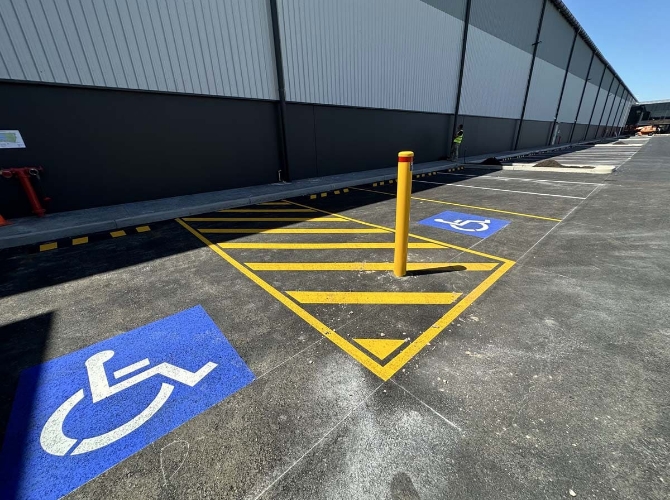
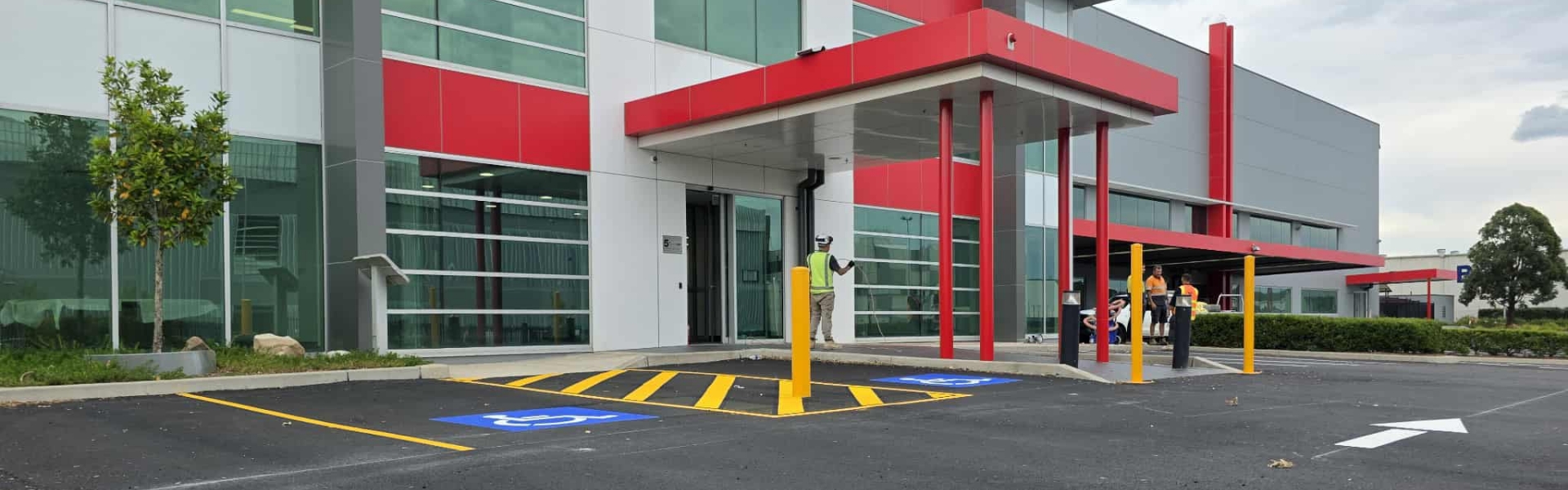
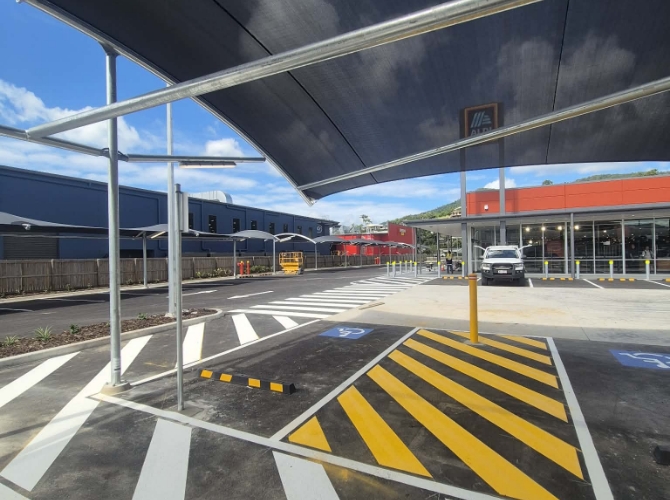
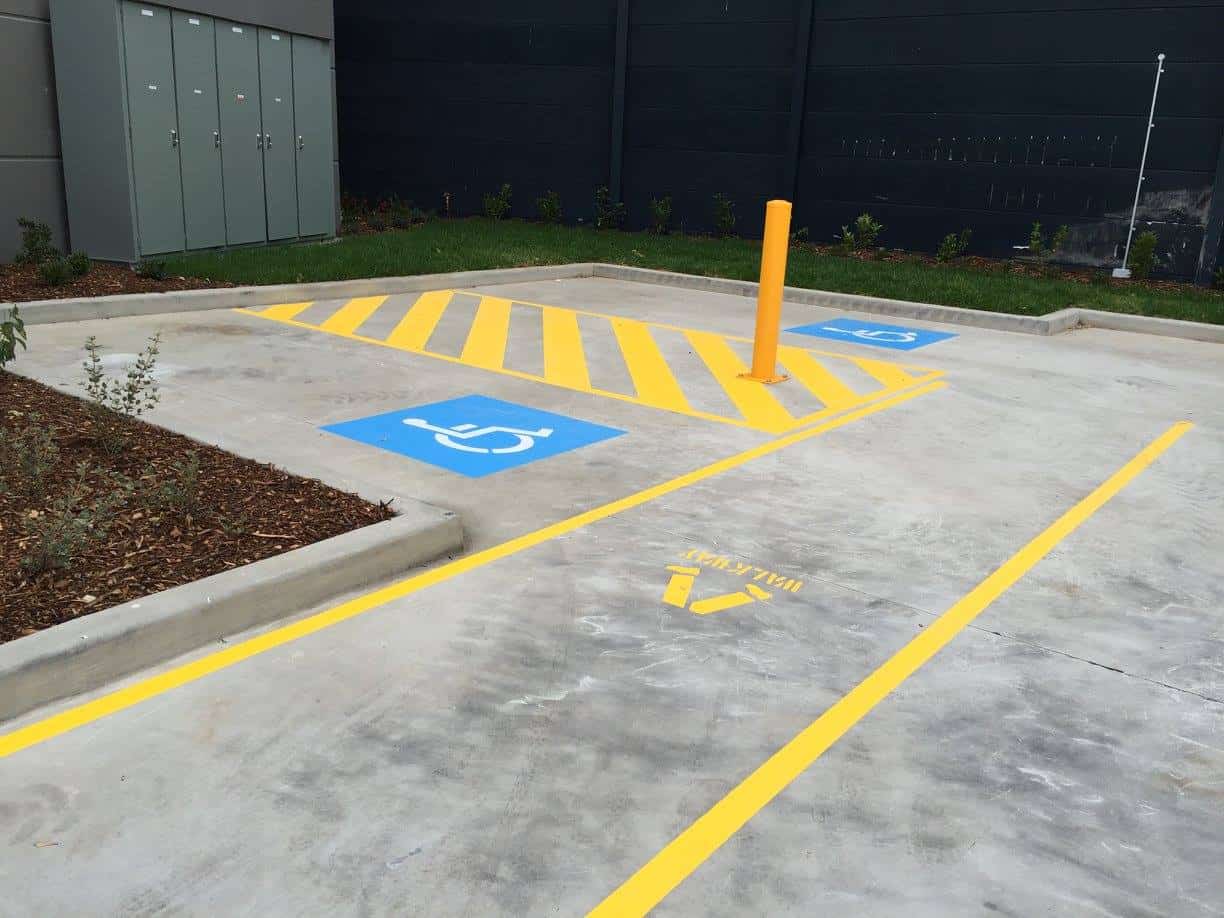
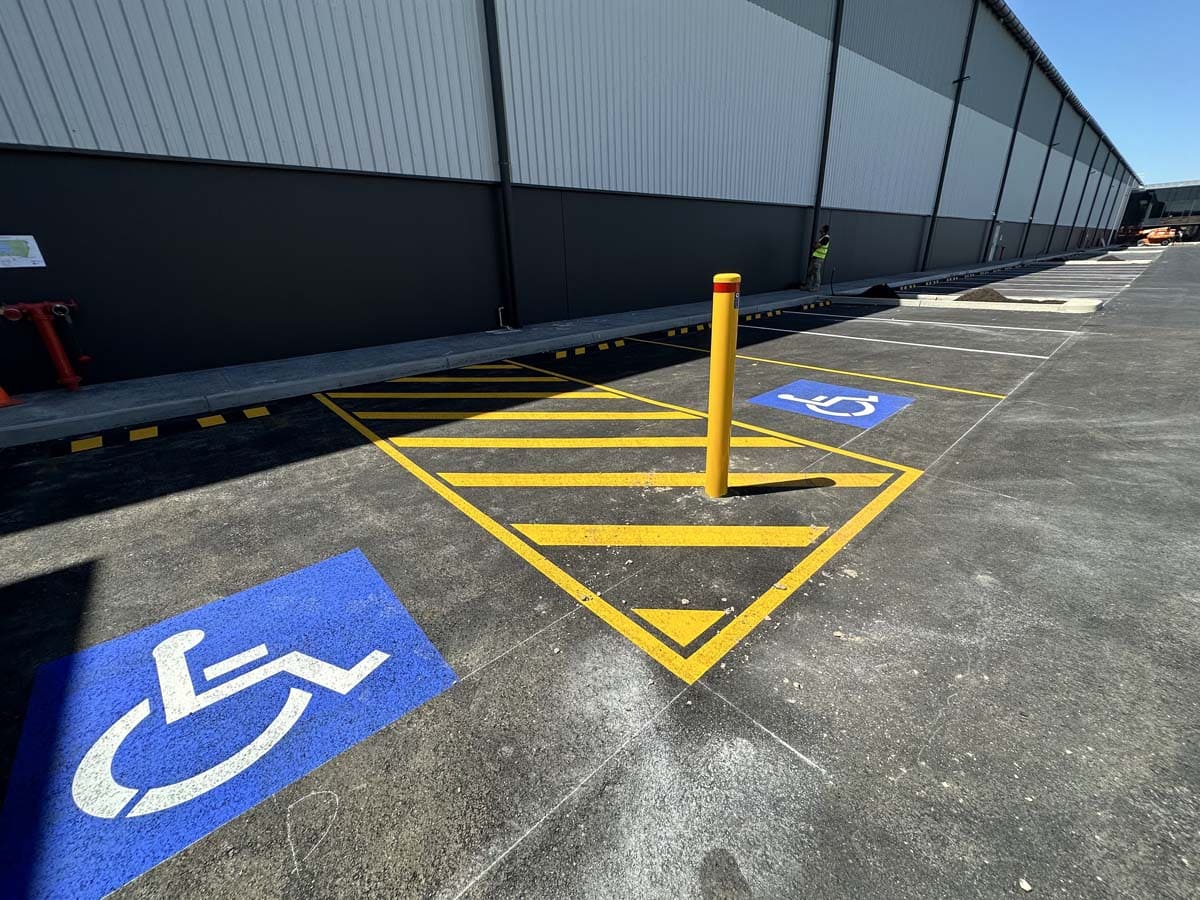
A bollard is a short post that stands between a vehicle and something you cannot afford to have hit. Bollards go in at the corner of a building, either side of a roller door, around a switchboard, a gas meter or a fuel pump, along the edge of a footpath where a car park meets it, and across an access lane that only some vehicles are meant to use. On New Zealand sites they turn up wherever drivers and structures share the same few metres: warehouse floors with forklifts running through them, industrial yards, transport depots, retail frontages, school entrances and lifestyle-block gateways. Most people who buy them have already paid for the damage once. Group One New Zealand designs, manufactures and installs them, working out of Islington in Christchurch.
What a bollard is actually holding back
Two jobs, and they are not the same. The first is guidance: telling a driver where the vehicle route ends and the pedestrian route begins, marking out a loading area, keeping traffic off a service lane. A slim post does that perfectly well, because nobody is meant to hit it.
The second job is impact. A bollard protecting a switchboard, a shopfront or a stack of pallet racking has to absorb a real vehicle at low speed and stay standing. Whether it does comes down to things you cannot see once the job is finished: the diameter and wall thickness of the tube, whether it is filled, how deep it is set, and what it is set into. A post concreted into a proper footing behaves very differently from the same post bolted to a thin slab. That is why a bollard is worth specifying rather than picking off a shelf, and it is the honest answer to the question people ask most often about whether a bollard will stop a car. It depends entirely on how it was built and how it went in.
Call 027 424 0600 to Request a Free Quote
How Group One New Zealand makes them
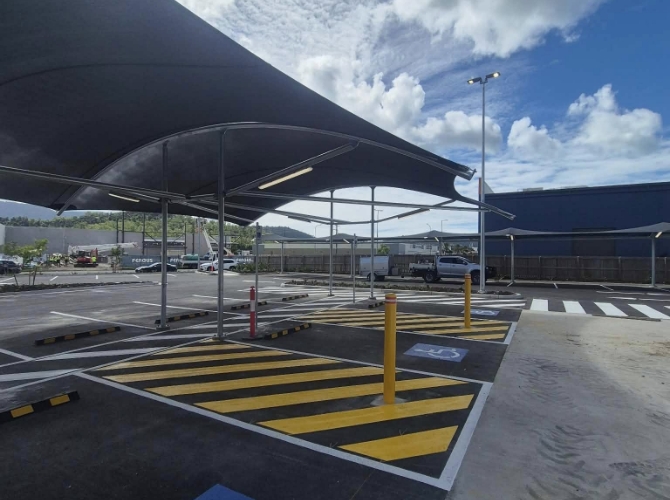
Sydney Chappell founded Group One New Zealand in 2026, and the workshop and yard are at Unit 1, 37 Foremans Road, Islington, Christchurch 8042. Bollards are fabricated there and taken out to your site by the same team. We are a small team, so you know you’ll get the very best, and everyone in it has a vast amount of industry experience behind them to apply to each project undertaken. In the company’s own words: “Although Group 1 Line Marking has just started here in New Zealand, as a group we have been operating in Australia for almost 25 years.”
Crews cover Amberley in the north down to Timaru in the south, and west towards the Canterbury foothills. We guarantee all the work we do, and provide quality products at competitive prices. If your property or commercial site is irregular, tricky, lacking in space or hard to reach, or you have a very specific idea in mind, that is a conversation rather than a problem.
To start one: phone us on 027 424 0600 or email info@groupone.co.nz, 7am to 3pm Monday to Friday.
Fixed, removable or fold-down
Almost every bollard enquiry resolves into this one choice, and it is worth making before anything else is decided.
- Fixed. Permanent, set into the ground or bolted down, and the strongest of the three because nothing about it has to come apart. Use it wherever the protection is needed every day of the year.
- Removable. Lifts out of a ground socket and locks in place when it is down. This is the one for an access lane you open for deliveries, a fire route, a courtyard used for events, or a car park that has to admit a truck once a month.
- Fold-down. Hinged at the base and unlocked with a key, so it drops flat instead of coming out. Nothing to carry away, nothing to lose, and useful where a driveway or dock has to open and close often.
We fabricate in steel, stainless steel, aluminium and timber, so the finish can follow the site rather than the catalogue. Stainless and hot-dip galvanised steel earn their keep near the coast and anywhere washdown is part of the routine. A painted or powder-coated finish in a safety colour matters on a warehouse floor, where a bollard also has to be seen by a forklift driver at speed. Hooped and rail-type guards, wall-mounted corner protection, and bollards set out as a line to close a frontage are all the same fabrication job in different shapes.
Call 027 424 0600 to Request a Free Quote
Industries We Serve
We proudly serve clients across a range of sectors, including:

Hospitals

Aviation Surfaces

Schools

Sporting Surfaces

Factory Safety Lines

Body Corporate
Where they go, and what they are fixed into
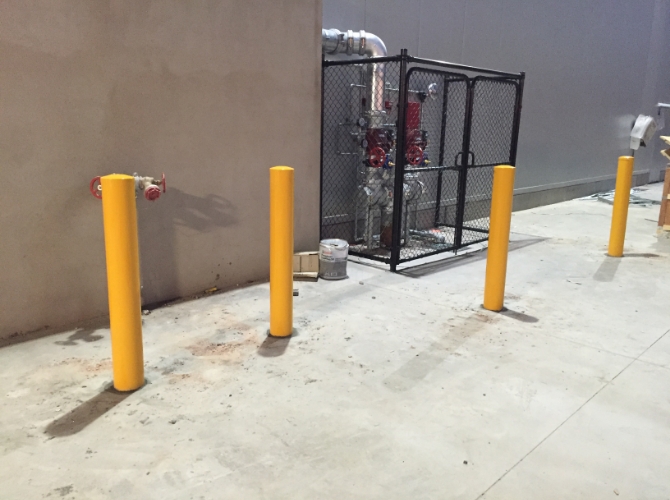
Placement decides whether a bollard works. Too close to the wall and a vehicle still reaches the wall. Too far apart and a car threads between them.
The fixing depends on what is already there. New ground lets us dig and cast a footing, which is the strongest result. An existing slab usually takes a base plate anchored into the concrete, and the slab’s thickness and condition decide how much that will hold. Before anything is dug or drilled, services get located, because the spot that looks obvious for a bollard is often exactly where the water main or the power feed runs.
From the site visit to a bollard in the ground
We work in three stages, and for bollards the sequence runs like this.
Design. We’ll come out and take a look at the site and discuss ideas with you about the best solution for your situation. That visit fixes the positions, the spacing, the height, the fixing method and the finish, and it is where the removable-versus-fixed question usually settles itself.
Manufacture. The bollards are cut, welded, capped and finished in the workshop to those dimensions, along with any sockets, base plates or locking hardware.
Installation. The crew sets out the positions, drills or excavates, fixes the bollards, makes good the surface and leaves you the keys for anything removable. Concrete needs its curing time before the area takes traffic again, and the crew will tell you on the day how long that is.
Call 027 424 0600 to Request a Free Quote
Do you need permission to put bollards in?
Inside your own boundary, on your own hardstand or car park, the layout is your decision. It still pays to check any conditions attached to a resource consent or a body corporate rule before the positions are fixed.
The moment a bollard sits on or over the road corridor, a footpath or a berm, it belongs to the council as the road controlling authority, and there is an application to make first. Councils will want to know what you are protecting, where the bollards will sit and how pedestrians get past. Ask before you order steel, not after.
What a bollard job costs
Pricing is on quote, because the number moves with the site rather than the product. What shifts it:
- How many bollards, and how far apart
- Diameter, wall thickness and height
- Fixed, removable or fold-down, and the hardware each needs
- Material and finish, including galvanising or powder coating
- Whether we are casting into fresh ground or anchoring to an existing slab
- Site access, traffic management and whether the area has to stay open while we work
Towns the bollard crews cover
Bollards are made in Islington and installed across the region. Town by town:
- Bollards Amberley
- Bollards Ashburton
- Bollards Christchurch
- Bollards Darfield
- Bollards Kaiapoi
- Bollards Methven
- Bollards Rangiora
Need Professional Line Marking or Safety Products?
Contact Group One today – reliable, accredited, and available 24/7.
Get your positions marked up
Two bollards that look identical from three metres away can behave completely differently when something hits them, and the difference is buried in the wall thickness, the fill and the depth of the footing. That is the part worth getting right, because it is the part you cannot change afterwards without breaking concrete.
Phone us on 027 424 0600 or email info@groupone.co.nz, 7am to 3pm Monday to Friday. Group One New Zealand, Unit 1, 37 Foremans Road, Islington, Christchurch 8042. NZBN 9429053752833.
Call 027 424 0600 to Request a Free Quote

Client Testimonials


5.0 Stars / 21 + reviews
The team from Group One were exceptional.
They arrived on time, did a fantastic job and made our childcare centre carpark look like new . Thankyou
Prompt and efficient service.
Very professional and experienced. Syd always answers his phone otherwise calls you back. Highly recommended.
Highly recommended.
Competitive price, quality work and even helped me put up the customer parking signs. Went above and beyond. Thanks very much, Syd and Blake.
Great job and no complaints!
Wonderful to work with and helping us get our line marking completed. Would definitely use again and refer to others.
Highly Recommend Group 1 Linemarking!
We recently hired Group 1 Linemarking for a few of our residential strata projects, and the results exceeded our expectations. The team was punctual, professional, and clearly experienced. The line marking was crisp, precise, and done exactly to spec. Communication throughout the process was smooth, and they were flexible with scheduling, which made things a lot easier on our end. If you need reliable, high-quality line marking services, I wouldn’t hesitate to recommend Group 1. Great job!
Working with Syd and his team is always a pleasure
The quality of work is always to a high standard. The Group One team is always professional, they apply a high standard for safety ensuring their SWMS is tailored for the job and their equipment is serviced and well maintained. I highly recommend Group One and if you use them you won't be disappointed.
Questions people ask about bollards
What can I use instead of bollards?
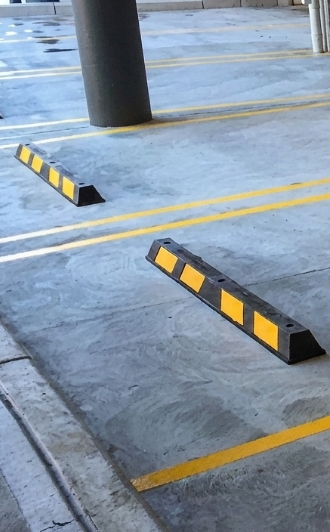
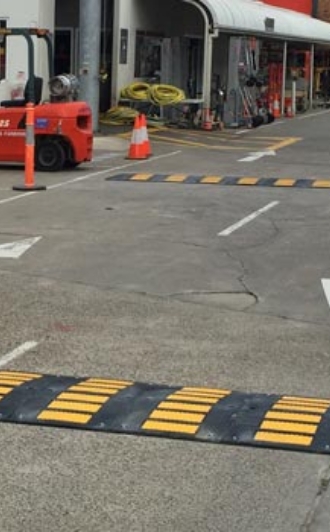
Depends what you are trying to stop. If the problem is vehicles overrunning a bay rather than hitting a structure, a wheel stop does the job for less. If it is speed through a car park, a speed hump is the better control. If it is people and vehicles crossing the same ground, marked walkways and forklift lanes solve more than posts do. Bollards are the answer when something solid has to take the hit.
Can you match bollards we already have?
Usually. Bring us a photo and a measurement of an existing one and we will fabricate to it, which matters when you are extending a run rather than starting it.
Do removable bollards need a lock?
They come with one. A removable bollard that anyone can lift out is a traffic cone with a better finish, so the socket and the locking mechanism are part of the specification, not an extra.
Comprehensive Line Marking & Safety Services
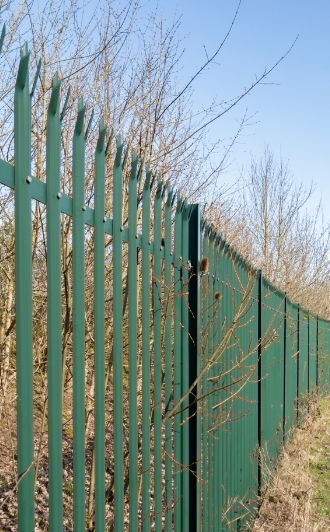
Safety and Palisade Fencing
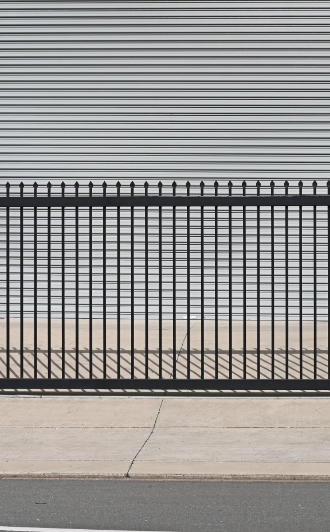
Safety and palisade fencing is the steel perimeter that goes...
More Details
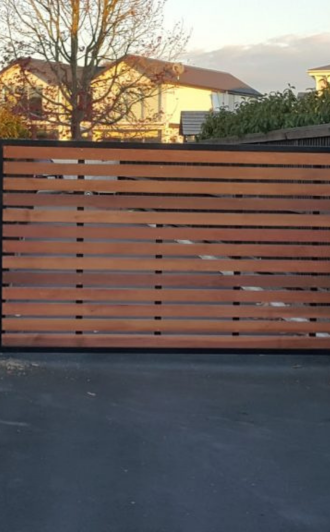
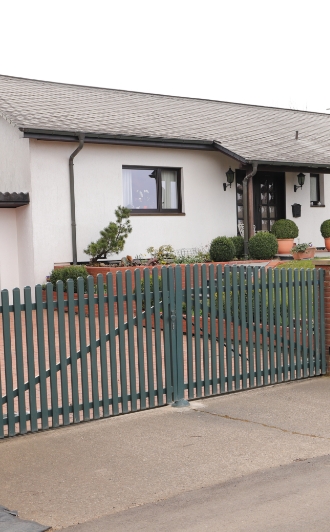
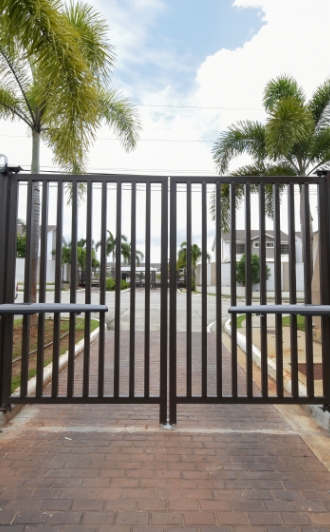
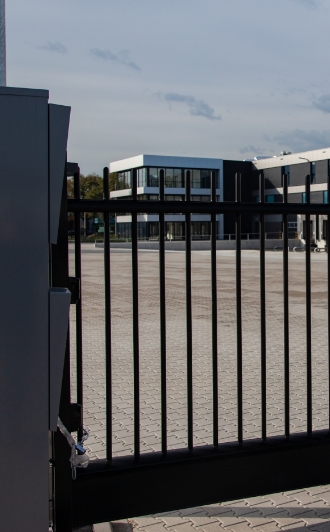
Sliding and Electric Gates
Group One provides professional sliding and electric gate solutions...
More Details
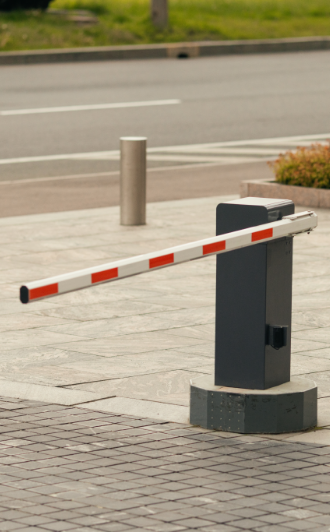
Barrier Arms & Boom Gates
Control vehicle access with reliable barrier arm and boom gate...
More Details
Get Started with Professional Line Marking Solutions

Get a Free Consultation
Speak with our experts to discuss your line marking requirements and get a tailored solution.
Schedule Now
Need Help Choosing?
Our team provides advice on the right line marking services and materials for your site.
Find Your Solution
Talk to an Expert
Have questions or want a quote? Connect with our experienced team today.
Contact Us