 Available 24 Hours a Day, 7 Days A Week
  027 424 0600

Bollards Rangiora

Available 24 Hours a Day, 7 Days A Week

100% Client Satisfaction

Full Range of Premier Services

High-Quality Products
Get A Free Quote

Bollards are usually the last item on a Rangiora car park build, and the first thing anyone notices when they are missing. Group One New Zealand designs, manufactures and installs them, with crews travelling up from our Islington base in Christchurch, and Sydney Chappell started the New Zealand company in 2026. Waimakariri’s new District Plan unlocked land for up to 17,000 new houses across Rangiora, Kaiapoi, Woodend and Oxford, so plenty of the work up here goes into sites still being built. Send us the address and we will come and mark out the positions.
What we put in, and what each type is for
- Fixed in-ground bollards for the jobs where nothing should ever pass: a building corner, a switchboard, a gas meter, the end of a rack run.
- Surface-mount bollards bolted to an existing slab, for internal walkways, column protection and floors that cannot be dug into.
- Removable bollards that lift out of a flush ground socket, for the gap that opens a few times a year.
- Fold-down bollards that hinge at the base and lock upright, for an entrance that opens daily or weekly.
Finishes are galvanised for yards and working sites, powder-coated where the bollard fronts the public, and stainless steel where the entrance has to look sharp.
Call 027 424 0600 to Request a Free Quote
Industries We Serve
We proudly serve clients across a range of sectors, including:

Hospitals

Aviation Surfaces

Schools

Sporting Surfaces

Factory Safety Lines

Body Corporate

Placement and spacing are what make them work
A bollard in the wrong place is either an obstacle drivers clip every week or a decoration a vehicle drives straight past. Anyone who parks at Pak’nSave in Rangiora has walked through the result of getting it right: posts positioned to steer traffic and keep people out of its path.
Auckland Transport publishes the most useful New Zealand reference on spacing. Allow at least 1.8 metres of clearance between bollards and the kerb, and at least 1.2 metres between bollards where the run crosses an entranceway, so prams, wheelchairs and mobility scooters get through. Those are Auckland Transport’s figures rather than a Waimakariri District Council rule.
From there it comes down to your own site. We check the gap against the widest vehicle that has to pass and against the swept path it takes turning in, because a trailer tracks well inside the line the towing vehicle follows.
What happens on installation day
The site visit comes first: measure the run, agree the positions, mark them out. Before anything is cut, services are located and the boundary confirmed.
In-ground bollards then get a hole cored or dug past the base course into ground that will hold. The post is set plumb and concrete poured around it, usually inside it as well. Depth follows the diameter and height of the bollard and what the ground turns out to be. Surface-mount bollards skip the excavation and bolt through a base plate into the existing slab.
Last comes the surface. Asphalt is patched, concrete made good around the footing, and seal or pavers reinstated.
Want a number for your site? Phone 027 424 0600 or email info@groupone.co.nz and we will get a visit booked.

Supply and installation are two different purchases
Bollards can be bought and delivered without anyone leaving the office. What that gets you is steel on a pallet, with every decision that matters still open: where each post stands relative to the kerb and the traffic path, how wide the gaps are, whether the ground under the mark will hold a footing, how deep it has to go, and how the surface is closed up afterwards. Those decisions are made standing on the site, with the vehicles that use it in mind. The installation is the part that turns the product into protection.
Consents, boundaries and the neighbour
Waimakariri District Council advises that a resource consent is likely for any fence on a road boundary or an internal boundary, and nationally a building consent is not required for fences or hoardings up to 2.5 metres high. A boundary fence also sits under the Fencing Act 1978, which is why a fencing notice to your neighbour comes before the work rather than after.
Bollards are not fences, and inside your own boundary they are generally yours to place. The reason those rules still matter is that a good number of jobs sit right on the line: an entrance treatment, a frontage, a shared access. We flag it at the site visit and Waimakariri District Council confirms what applies at your address.
Need Professional Line Marking or Safety Products?
Contact Group One today – reliable, accredited, and available 24/7.

Client Testimonials


5.0 Stars / 21 + reviews
The team from Group One were exceptional.
They arrived on time, did a fantastic job and made our childcare centre carpark look like new . Thankyou
Prompt and efficient service.
Very professional and experienced. Syd always answers his phone otherwise calls you back. Highly recommended.
Highly recommended.
Competitive price, quality work and even helped me put up the customer parking signs. Went above and beyond. Thanks very much, Syd and Blake.
Great job and no complaints!
Wonderful to work with and helping us get our line marking completed. Would definitely use again and refer to others.
Highly Recommend Group 1 Linemarking!
We recently hired Group 1 Linemarking for a few of our residential strata projects, and the results exceeded our expectations. The team was punctual, professional, and clearly experienced. The line marking was crisp, precise, and done exactly to spec. Communication throughout the process was smooth, and they were flexible with scheduling, which made things a lot easier on our end. If you need reliable, high-quality line marking services, I wouldn’t hesitate to recommend Group 1. Great job!
Working with Syd and his team is always a pleasure
The quality of work is always to a high standard. The Group One team is always professional, they apply a high standard for safety ensuring their SWMS is tailored for the job and their equipment is serviced and well maintained. I highly recommend Group One and if you use them you won’t be disappointed.
What the quote depends on
Pricing is on quote, per site, once we have seen it. What shifts the figure:
- Bollard type, diameter, height and finish
- Fixed, removable or fold-down
- How many go in
- In-ground footing or surface-mount base plate
- The surface being cut: concrete, asphalt, pavers, gravel or kerb
- Access to the area and when the crew can have it
- Reinstatement afterwards
Group One New Zealand, north of the Waimakariri
Sydney Chappell founded Group One New Zealand in 2026. We are a small team, so you know you’ll get the very best, and we guarantee all the work we do. Rangiora sits comfortably inside the area our crews cover, which runs from Amberley in the north to Timaru in the south. Design, manufacture and installation are all ours, and the full range sits on our page.
Call 027 424 0600 to Request a Free Quote





Book a site visit
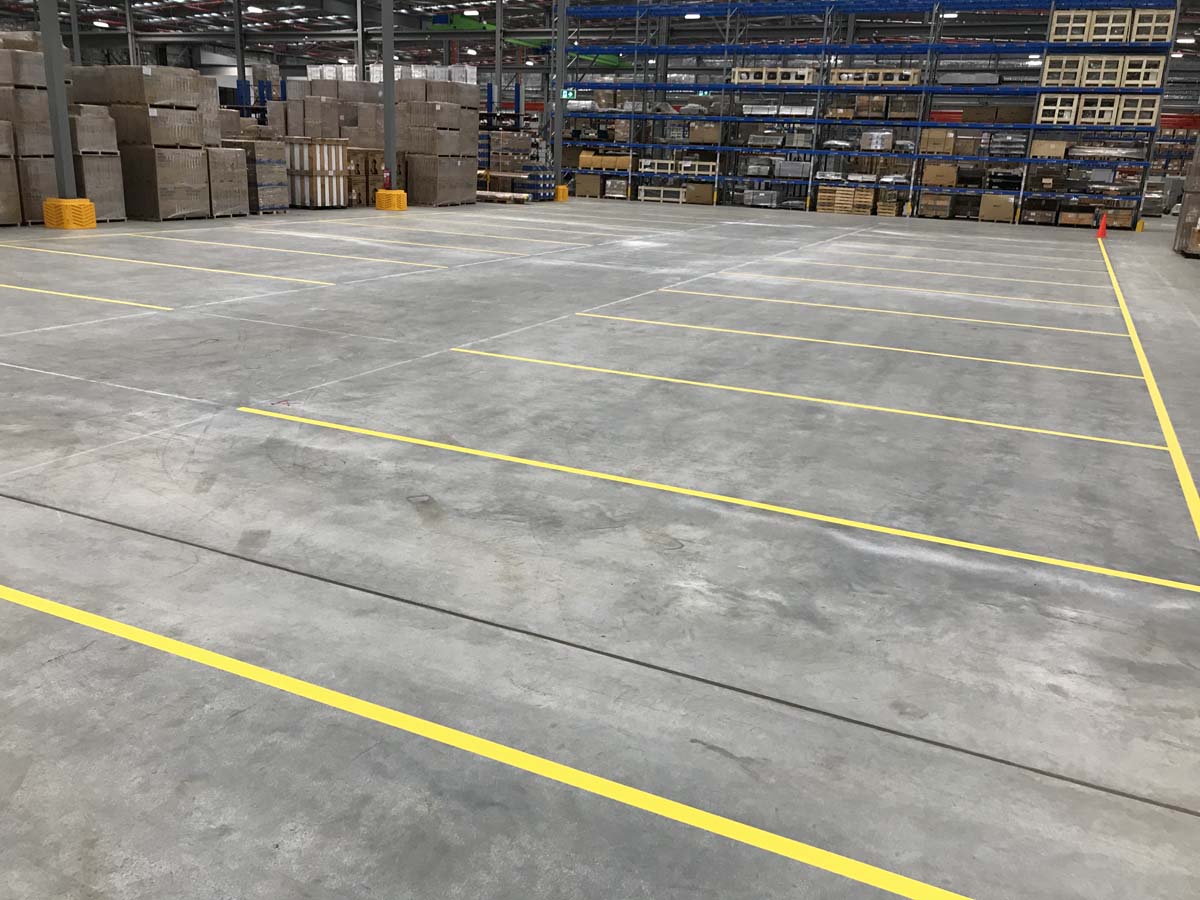
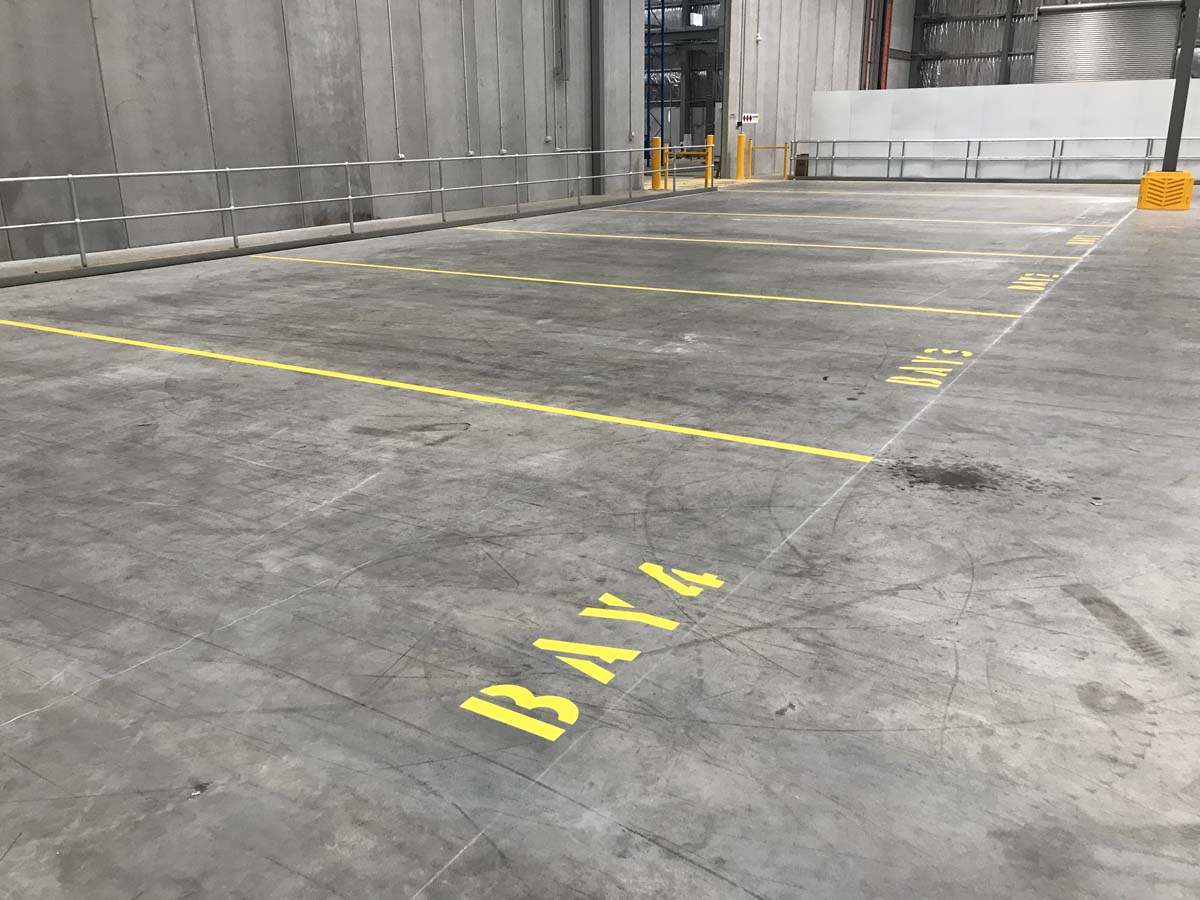
Tell us what needs protecting, what has to keep getting past, and what the surface is. We will bring the tape and work the rest out on site.
Phone us on 027 424 0600 or email info@groupone.co.nz, 7am to 3pm Monday to Friday. Group One New Zealand, Unit 1, 37 Foremans Road, Islington, Christchurch 8042. NZBN 9429053752833.
Call 027 424 0600 to Request a Free Quote
Comprehensive Line Marking & Safety Services
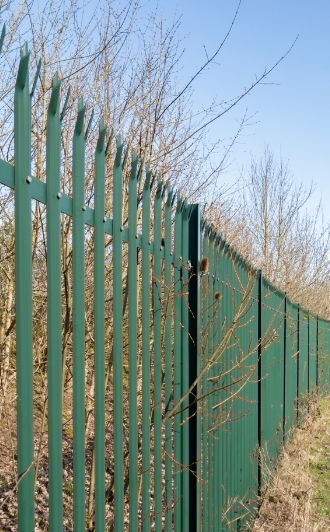
Safety and Palisade Fencing
Safety and palisade fencing is the steel perimeter that goes...
More Details
Areas We Serve
- Bollards Amberley
- Bollards Ashburton
- Bollards Christchurch
- Bollards Darfield
- Bollards Kaiapoi
- Bollards Methven
- Bollards Rangiora
- Bollards Rolleston
- Bollards Timaru
Other Services Available in Rangiora
- Automatic Gates Rangiora
- Commercial Gates Rangiora
- Convex Safety Mirrors Rangiora
- Custom Gates Rangiora
- Driveway Gates Rangiora
- Gate Access Systems Rangiora
- Industrial Gates Rangiora
- Line Marking Rangiora
- Safety and Palisade Fencing Rangiora
- Security Gates Rangiora
- Speed Humps Rangiora
- Wheel Stops Rangiora
Questions people ask
What does it cost to have bollards installed in Rangiora?
It is quoted per site, with no standard rate. The steel is predictable; the ground is not. Coring an existing slab, working around services and reinstating the surface afterwards are what move the price.
How deep do bollards need to go?
Past the base course and into ground that will carry the load. On new subdivisions where the ground has been built up and compacted recently, that can be different from what the plan suggests, which is one reason the depth is settled on site.
Can they be taken out later?
Removable and fold-down bollards are designed for it. A fixed in-ground bollard is not: taking one out means cutting the post and breaking out the footing, then patching the surface.
Do you make the bollards as well as install them?
Yes. Design, manufacture and installation are all ours, so the quote covers the whole job: setting out, locating services, the footing, the fixing and the surface going back the way it should.
How much notice do you need?
Give us the address and a rough idea of the scope and we will book a site visit. The quote follows once we have measured it.
Get Started with Professional Line Marking Solutions

Get a Free Consultation
Speak with our experts to discuss your line marking requirements and get a tailored solution.
Schedule Now
Need Help Choosing?
Our team provides advice on the right line marking services and materials for your site.
Find Your Solution
Talk to an Expert
Have questions or want a quote? Connect with our experienced team today.
Contact Us