 Available 24 Hours a Day, 7 Days A Week
  027 424 0600
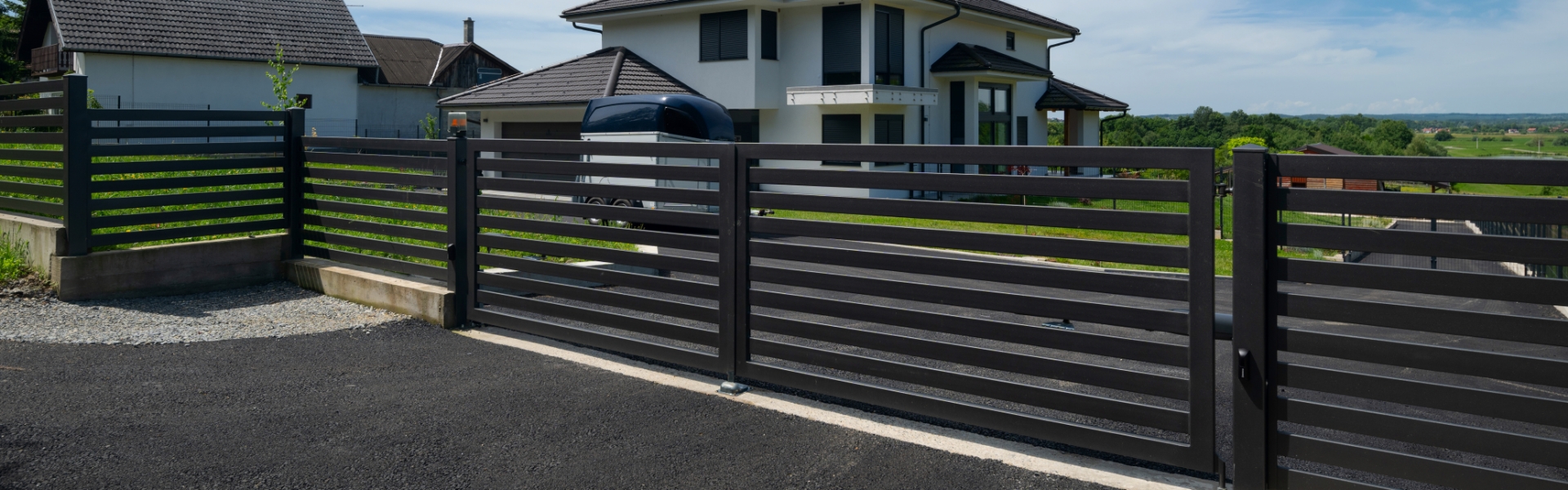
Driveway Gates Timaru

Available 24 Hours a Day, 7 Days A Week

100% Client Satisfaction

Full Range of Premier Services

High-Quality Products
Get A Free Quote

If you share the driveway, the first conversation is not with the council. Timaru carries a significant number of cross-lease properties in the suburbs developed from the 1960s to the 1990s, and where a vehicle crossing or a driveway is shared, the other owners on the title have a say before anything is bolted across it. Group One New Zealand designs, manufactures and installs driveway gates in Timaru and across South Canterbury, with crews travelling the 157 km down from a base on Foremans Road in Islington, Christchurch.
Whose driveway is it
On a fee simple title with your own crossing, the gate is your decision within the rules. On a cross-lease, the driveway is often common area or restricted area shared with the other flats, and putting a gate across it changes how everyone else uses it. That is worth settling in writing before a post hole is dug, not after.
It affects the design as much as the paperwork. A shared entrance usually needs to stay open through the day, which pushes you toward automation with access for several households, keypad or remote sets for each, and a gate that fails safe rather than trapping a car in the lane. It also tends to favour a slider, because a swing leaf sweeping into a shared lane takes space nobody has spare.
Call 027 424 0600 to Request a Free Quote
Industries We Serve
We proudly serve clients across a range of sectors, including:

Hospitals

Aviation Surfaces

Schools

Sporting Surfaces

Factory Safety Lines

Body Corporate

Salt air, and why the hardware goes first
Sea salt in coastal atmospheres significantly increases the corrosion of metals used in construction, which is why hot-dip galvanised, powder-coated and otherwise corrosion-protected steel is the local default rather than an upgrade.
The gate itself is rarely the first casualty. It is the moving and fixed metal around it: hinges, the track and rollers on a slider, the bolts holding posts to concrete, the latch, and the motor housing at the gate. Specify those and the gate looks after itself.
- Steel components galvanised before powder-coating, so protection sits inside the sections as well as on the outside
- Stainless steel for fixings and fittings that have to keep working
- Aluminium where lightness helps, since it needs very little upkeep in coastal air
- Timber where the house calls for it, with hardware chosen to outlive the coating
- Wash-down access, meaning the design does not create traps where salt sits and stays wet
Timaru’s winters are short, cold and windy on top of that, so the wind loading conversation still applies: a solid infill on a wide leaf hands its whole face to a gale.
Swing or slide across your opening
The opening span and the vehicles set the shape. Measure between the post positions you want, then check what has to pass: a car, a ute and trailer, a campervan, a boat, or farm and contractor vehicles on the rural and lifestyle blocks outside the city.
A single swing leaf needs clear arc equal to the full opening on the side it hangs from. A double pair halves that for each leaf and is usually the answer on wider rural entrances. A slider needs no arc at all but wants a level run-back alongside the driveway roughly as long as the opening. Where a driveway rises away from the street, a swing leaf climbs as it opens and has to be hung to clear the high point, so the slider often reads better on those entrances too. Swing direction is a safety decision as much as a spatial one: leaves that open inward keep the road and footpath clear.
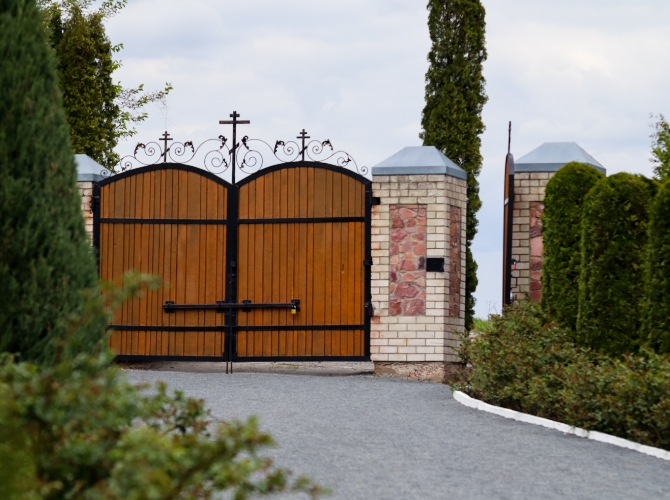
Exempt from building consent, and still capped at two metres
This is the point that catches people in Timaru, so it is worth reading carefully.
Timaru District Council treats fences or walls less than 2.5 metres high as exempt building work. Residential swimming pool fencing is expressly not exempt and needs a building consent, submitted through the Simpli portal.
Separately, the Timaru District Plan states that road boundary fences shall be a maximum height of 2 metres in its residential and related zones. A driveway gate stands on the road boundary by definition. So a 2.3 metre street-front gate can sit comfortably inside the building consent exemption and still breach a District Plan performance standard, which is where a land use consent comes into it. The two rules answer different questions, and only one of them is about safety of construction.
Where the gate runs into a shared boundary with a neighbour, the Fencing Act 1978 sets out what each of you owes. Confirm the current requirements with Timaru District Council before work starts.
Automation, power and access
Motor selection follows leaf weight and how often the gate cycles. Solar power suits an entrance away from the house and avoids trenching across a finished driveway; a wired supply is better where the gate works hard or mains power is already at the post.
For opening it, choose between remotes, a keypad, a Bluetooth or mobile connection, and a SIM-based controller that lets you let someone in remotely. Safety devices and alternative opening methods allow automatic gates on sloped ground as well as flat-level ground. If you already have a gate hung, we supply parts, hardware, access controllers and remote locks, so automating what is there is often the sensible move. In coastal air the motor and its enclosure deserve the same attention as the gate.
Need Professional Line Marking or Safety Products?
Contact Group One today – reliable, accredited, and available 24/7.

Client Testimonials


5.0 Stars / 21 + reviews
The team from Group One were exceptional.
They arrived on time, did a fantastic job and made our childcare centre carpark look like new . Thankyou
Prompt and efficient service.
Very professional and experienced. Syd always answers his phone otherwise calls you back. Highly recommended.
Highly recommended.
Competitive price, quality work and even helped me put up the customer parking signs. Went above and beyond. Thanks very much, Syd and Blake.
Great job and no complaints!
Wonderful to work with and helping us get our line marking completed. Would definitely use again and refer to others.
Highly Recommend Group 1 Linemarking!
We recently hired Group 1 Linemarking for a few of our residential strata projects, and the results exceeded our expectations. The team was punctual, professional, and clearly experienced. The line marking was crisp, precise, and done exactly to spec. Communication throughout the process was smooth, and they were flexible with scheduling, which made things a lot easier on our end. If you need reliable, high-quality line marking services, I wouldn’t hesitate to recommend Group 1. Great job!
Working with Syd and his team is always a pleasure
The quality of work is always to a high standard. The Group One team is always professional, they apply a high standard for safety ensuring their SWMS is tailored for the job and their equipment is serviced and well maintained. I highly recommend Group One and if you use them you won’t be disappointed.

Design, manufacture, installation
Design happens at your entrance, where the span, the fall, the surface, the exposure and the shared-access question all get settled. Manufacture is to those measurements, in New Zealand. Installation covers the post holes, the footings, the hanging, the automation and the test run. All our gates are 100% New Zealand made and installed, and they carry a comprehensive warranty backed by a full after-sales service.
Where a Timaru quote is decided
Pricing is on quote, and three of the inputs carry more weight on this coast than they would inland.
- Corrosion protection. Galvanising beneath the powder coat, stainless fixings at the hinges and latch, and a motor enclosure specified for salt air are each priced in their own right rather than assumed into the total.
- Configuration. A shared cross-lease driveway tends to point at a slider, and at credentials for several households instead of one, and both of those show up in the figure.
- The trip south. Travel is stated in the quote rather than absorbed quietly.
The ordinary inputs still run underneath all three: opening span, leaf weight, style and infill, the fall and surface at the entrance and what the posts are bedded into, the access hardware and safety devices, and whether the supply at the gate is mains or solar.
Call 027 424 0600 to Request a Free Quote


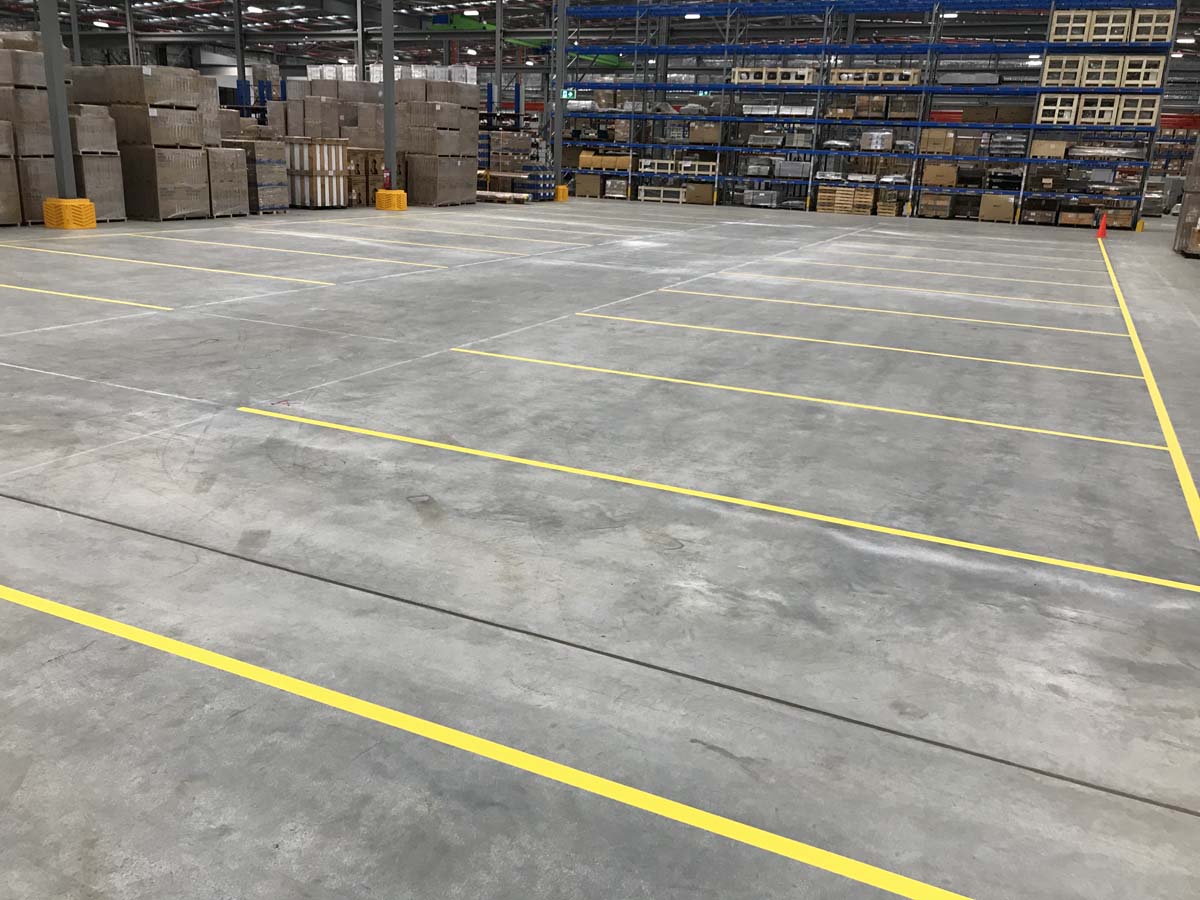

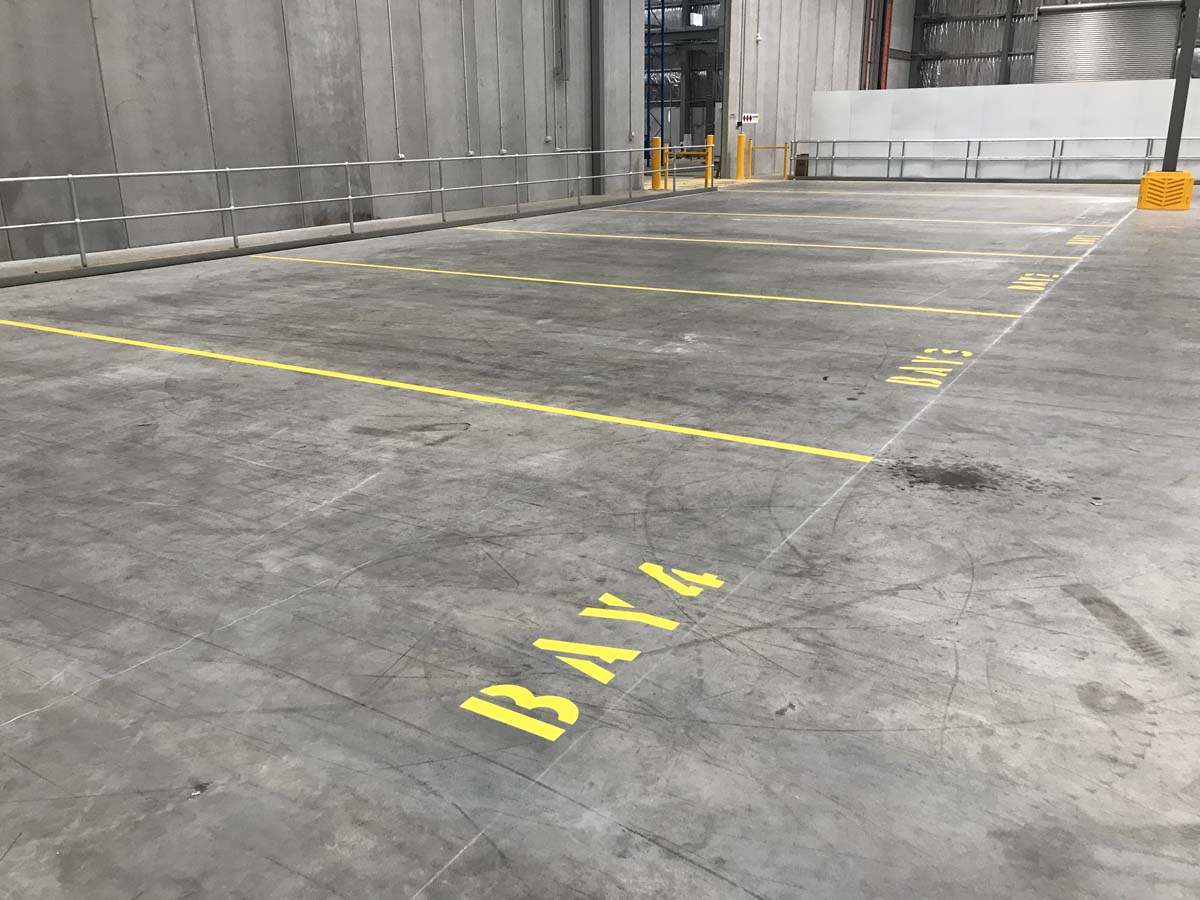


Group One New Zealand at the southern end of the run
Timaru is the far end of the area we cover, and the coastal end of it, so the galvanising, the coating and the fixings get settled in writing before anything is built rather than sorted out afterwards. That is possible because the gates are made in New Zealand by the same small team that comes down to install them, which is also where the saving in using us comes from. Sydney Chappell founded Group One New Zealand in 2026. In the company’s own words: “Although Group 1 Line Marking has just started here in New Zealand, as a group we have been operating in Australia for almost 25 years.” The full range sits on our page.
Get the entrance looked at
Whoever ends up building it, insist on galvanising under the powder coat and stainless fixings at the hinges and the latch. Those two choices decide whether you are adjusting a gate in five years or replacing hardware in two.
Phone us on 027 424 0600 or email info@groupone.co.nz, 7am to 3pm Monday to Friday. Group One New Zealand, Unit 1, 37 Foremans Road, Islington, Christchurch 8042. NZBN 9429053752833.
Call 027 424 0600 to Request a Free Quote
Comprehensive Line Marking & Safety Services
Safety and Palisade Fencing
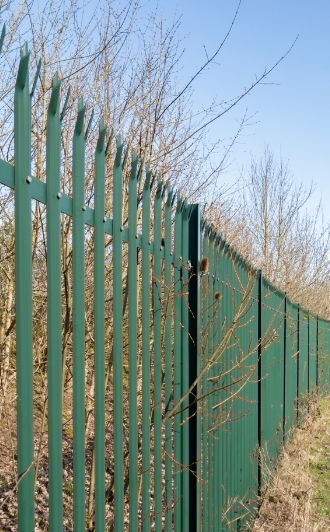
Safety and palisade fencing is the steel perimeter that goes...
More Details
Areas We Serve
- Driveway Gates Amberley
- Driveway Gates Ashburton
- Driveway Gates Christchurch
- Driveway Gates Darfield
- Driveway Gates Kaiapoi
- Driveway Gates Methven
- Driveway Gates Rangiora
- Driveway Gates Rolleston
- Driveway Gates Timaru
Other Services Available in Timaru
Questions Timaru homeowners ask
What do driveway gates cost in Timaru?
Quoted per entrance. Span, leaf weight, material, coating, ground conditions, automation and the trip south all feed into it, so we measure before we price.
Are aluminium gates better than steel near the coast?
Both work when they are specified properly. Aluminium is naturally low-maintenance and light; steel gives you the widest spans and holds up well when it is hot-dip galvanised before powder-coating. The fixings and the hardware matter as much as the choice between them.
Will a timber gate survive here?
With the right hardware and a maintained finish, yes. The failure point is usually the metal in the hinges and fixings rather than the timber itself.
Do you travel this far for a single residential gate?
Yes. Crews cover Canterbury from Amberley in the north to Timaru in the south, and we quote the travel into the job openly.
Get Started with Professional Line Marking Solutions

Get a Free Consultation
Speak with our experts to discuss your line marking requirements and get a tailored solution.
Schedule Now
Need Help Choosing?
Our team provides advice on the right line marking services and materials for your site.
Find Your Solution
Talk to an Expert
Have questions or want a quote? Connect with our experienced team today.
Contact Us